Marketo for Manufacturing Companies
Manufacturing companies often deal with long sales cycles, technical buying decisions, multiple stakeholders, and highly competitive markets.
Unlike impulse purchases, manufacturing buyers spend time researching products, comparing vendors, evaluating specifications, and discussing investments internally before making decisions.
This makes lead nurturing one of the most important parts of manufacturing marketing strategy.
Without proper follow up, even high quality leads can lose interest or move to competitors.
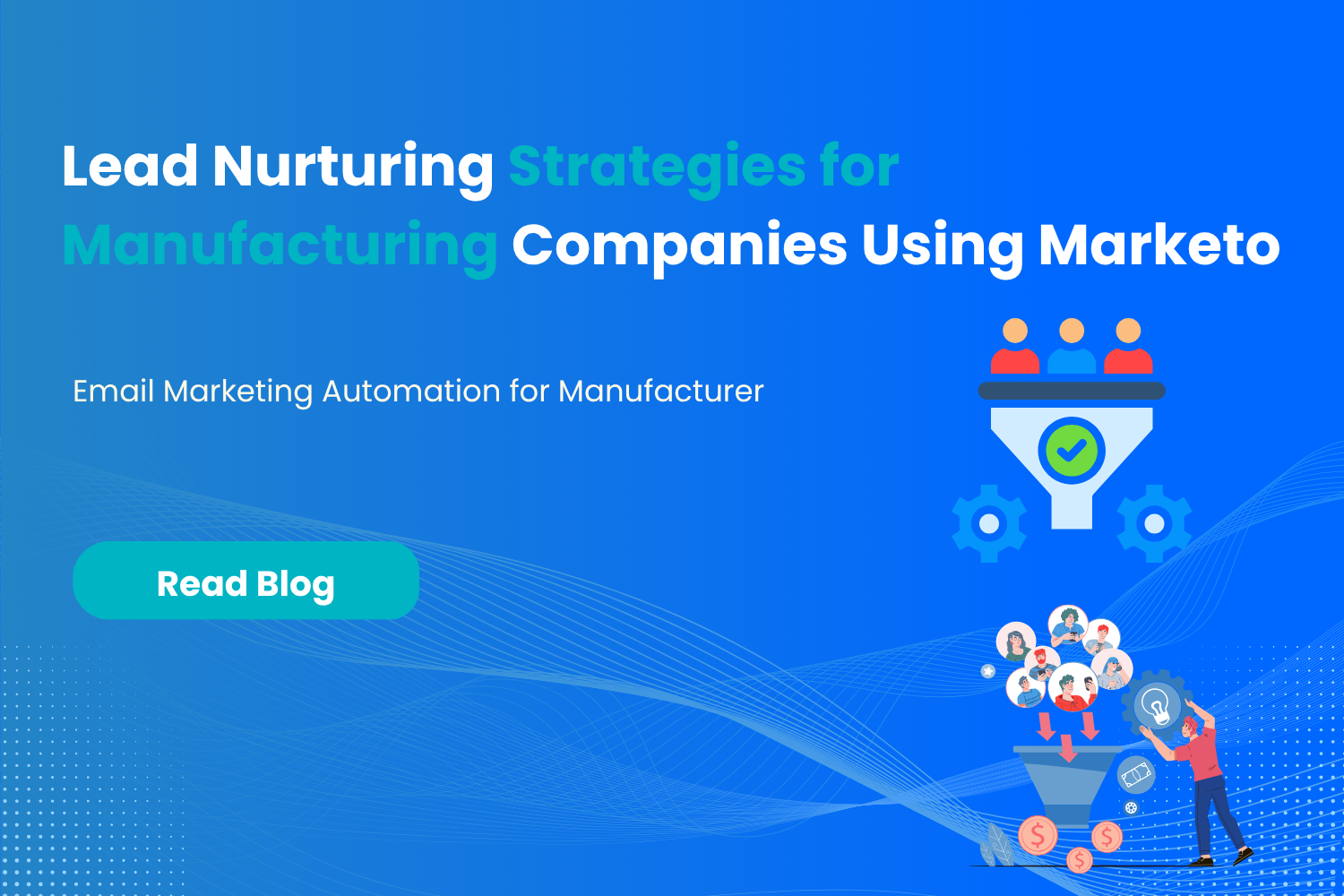
Marketing automation platforms like Marketo help manufacturing businesses maintain consistent communication, educate prospects, and move leads through the sales funnel more efficiently.
This guide explores practical lead nurturing strategies manufacturing companies can use to improve engagement, increase conversion opportunities, and support long term revenue growth.
Why Lead Nurturing Matters in Manufacturing
Manufacturing Sales Cycles Are Longer
Industrial buyers rarely make immediate purchasing decisions.
They often involve procurement teams, engineers, finance departments, and operations managers before finalizing purchases.
Common Manufacturing Marketing Challenges
• Long decision timelines
• Technical product complexity
• Multiple decision makers
• Limited customer engagement
• Poor follow up consistency
Lead nurturing helps solve these issues by keeping prospects engaged throughout the buying process.
10 Lead Nurturing Strategies for Manufacturing Companies
1. Segment Leads Based on Industry and Buyer Intent
Why Segmentation Matters
Not every manufacturing prospect has the same needs.
A buyer looking for industrial automation software has different priorities compared to someone sourcing heavy machinery components.
Effective Segmentation Methods
• Industry type
• Product interest
• Company size
• Geographic region
• Buying stage
Example
A manufacturing supplier can send different content to automotive companies and electronics manufacturers based on industry requirements.
“Segmentation improves relevance and increases engagement across long sales cycles,” says B2B marketing strategist Laura Benson.
2. Create Educational Email Workflows
Manufacturing Buyers Need Information
Industrial buyers prefer detailed educational content before speaking with sales teams.
Valuable Email Content Includes
• Product guides
• Technical documents
• Industry trends
• Case studies
• Compliance information
Why It Works
Educational campaigns build trust while positioning the company as an industry expert.
Example Workflow
Week 1: Product introduction
Week 2: Technical specification guide
Week 3: Customer success story
Week 4: Consultation invitation
3. Use Behavioral Lead Scoring
What Is Lead Scoring?
Lead scoring assigns points to prospects based on their engagement and behavior.
Important Manufacturing Engagement Signals
• Whitepaper downloads
• Pricing page visits
• Webinar attendance
• Product demo requests
Why It Helps
Sales teams can prioritize prospects with stronger buying intent.
Result
Improved sales efficiency and better lead qualification.
4. Personalize Content for Different Stakeholders
Manufacturing Purchases Involve Multiple Roles
Different decision makers care about different priorities.
Example
• Engineers focus on technical performance
• Procurement teams focus on pricing
• Executives focus on ROI
Personalization Strategy
Create content tailored for each stakeholder group.
Benefit
Improved engagement across the buying committee.
5. Build Automated Webinar Nurturing Campaigns
Why Webinars Perform Well
Manufacturing buyers value demonstrations, technical explanations, and expert discussions.
Effective Webinar Topics
• Product implementation strategies
• Industry compliance updates
• Manufacturing efficiency improvements
• Technology integration guides
Follow Up Strategy
After webinars, send:
• Session recordings
• Related resources
• Consultation invitations
• Product documentation
“Webinars are one of the strongest lead nurturing tools for complex B2B industries,” says industrial marketing advisor Kevin Matthews.
6. Align Marketing and Sales Teams
Why Alignment Matters
Disconnected teams create inconsistent customer experiences.
Common Problems
• Delayed follow ups
• Duplicate communication
• Poor lead qualification
Alignment Best Practices
• Shared lead definitions
• Unified reporting dashboards
• Regular communication meetings
• Agreed follow up processes
Result
Improved conversion opportunities and smoother customer journeys.
7. Use Multi Channel Nurturing Campaigns
Buyers Interact Across Multiple Channels
Manufacturing buyers engage through:
• Email
• LinkedIn
• Industry events
• Company websites
• Webinars
Why Multi Channel Matters
Consistent messaging improves brand visibility and engagement.
Example
A prospect attending a webinar later receives personalized LinkedIn ads and email follow ups based on webinar participation.
8. Develop Industry Specific Case Studies
Manufacturing Buyers Want Proof
Decision makers prefer seeing real business results before investing in new solutions.
Effective Case Study Elements
• Business challenge
• Solution implemented
• Operational improvements
• Customer outcomes
Example
A manufacturing automation company can showcase how a client reduced production delays after implementing new equipment.
Why It Works
Case studies build credibility and trust.
9. Automate Re Engagement Campaigns
The Problem of Inactive Leads
Many manufacturing prospects stop engaging temporarily during long evaluation periods.
Re Engagement Strategy
Create automated campaigns targeting inactive leads with:
• Industry reports
• Product updates
• Event invitations
• New case studies
Benefit
Keeps the brand visible without overwhelming prospects.
10. Measure and Optimize Campaign Performance
Why Optimization Matters
Lead nurturing should evolve based on performance data.
Important Metrics to Monitor
• Email engagement
• Webinar attendance
• Lead conversion rates
• Sales acceptance rates
• Campaign influenced pipeline
“Manufacturing marketers should treat optimization as an ongoing process, not a one time setup,” says demand generation consultant Michelle Harper.
How Manufacturing Companies Use Marketo for Lead Nurturing
Automated Email Campaigns
Manufacturing marketers automate educational email sequences to guide buyers through research stages.
CRM Integration
Marketo integrates with CRM platforms to improve lead visibility between marketing and sales teams.
Behavioral Tracking
The platform tracks prospect interactions such as website visits, downloads, and webinar engagement.
Dynamic Personalization
Manufacturing companies personalize messaging based on buyer behavior and product interest.
Importance of Marketo for manufacturing companies
Many industrial businesses rely on Marketo for manufacturing companies because it supports long sales cycles, lead nurturing automation, CRM alignment, and personalized customer engagement across complex B2B buying journeys.
Common Lead Nurturing Mistakes Manufacturing Companies Make
Sending Generic Content
Generic messaging reduces engagement and relevance.
Ignoring Buyer Intent Signals
Failing to track engagement behavior leads to missed sales opportunities.
Overloading Prospects with Sales Emails
Too much promotional messaging can reduce trust and engagement.
Poor Sales and Marketing Coordination
Leads often fall through the cracks when teams operate separately.
Best Practices for Manufacturing Lead Nurturing
Focus on Educational Value
Manufacturing buyers prefer informative content over aggressive sales messaging.
Keep Data Clean and Accurate
Reliable customer data improves segmentation and personalization.
Build Long Term Relationships
Manufacturing sales cycles require patience and consistent communication.
Personalize Based on Buyer Role
Different stakeholders require different messaging strategies.
Use Automation Strategically
Automation should improve efficiency without reducing personalization quality.
Real World Example
A manufacturing software provider struggled with low lead conversion rates and inconsistent follow up processes.
Key Challenges
• Long sales cycles
• Poor lead qualification
• Limited engagement visibility
Nurturing Strategy Implemented
The company introduced:
• Behavioral lead scoring
• Automated webinar campaigns
• Personalized email workflows
• CRM integrated reporting dashboards
Business Outcomes
• Improved lead engagement
• Faster sales follow up
• Better lead prioritization
• Increased marketing visibility into pipeline activity
This example demonstrates how structured nurturing improves operational efficiency and customer engagement.
Why Manufacturing Buyers Need Consistent Communication
Industrial Purchases Are High Value Decisions
Manufacturing investments often involve significant financial and operational impact.
Buyers Need Confidence
Prospects want reassurance through educational content, technical support, and case studies before making decisions.
Consistency Builds Trust
Regular communication helps maintain visibility during lengthy buying processes.
Future Trends in Manufacturing Lead Nurturing
AI Driven Personalization
Artificial intelligence will help manufacturers deliver more relevant content based on buyer behavior.
Predictive Lead Scoring
Advanced analytics will improve sales prioritization accuracy.
Deeper CRM and ERP Integration
Marketing systems will connect more closely with operational platforms for better customer insights.
Increased Use of Interactive Content
Manufacturers will rely more on virtual demos, calculators, and product simulations to engage prospects.
Conclusion
Manufacturing companies face unique marketing challenges due to long sales cycles, technical buying processes, and multiple decision makers.
Lead nurturing helps businesses stay connected with prospects while building trust and improving engagement over time.
Marketo provides the automation, personalization, and reporting capabilities needed to support complex manufacturing customer journeys effectively.
By combining educational content, behavioral tracking, segmentation, and multi channel communication, manufacturing businesses can improve lead quality and sales alignment significantly.
Companies that invest in structured lead nurturing strategies position themselves for stronger customer relationships and long term revenue growth.

Frequently Asked Questions (FAQs)
- 1. Why is lead nurturing important for manufacturing companies?
Manufacturing buyers often require longer evaluation periods before making purchasing decisions.
- 2. How does Marketo support manufacturing lead nurturing?
It automates campaigns, tracks engagement behavior, and improves personalization.
- 3.What type of content works best for manufacturing buyers?
Technical guides, case studies, webinars, and educational resources perform well.
- 4. Why is segmentation important in manufacturing marketing?
Different industries and buyer roles require different messaging strategies.
- 5.What are common mistakes in manufacturing lead nurturing?
Digital banking, lending, investment technology, payment processing, and insurance technology companies use it frequently.