Your Guide to Marketo Compliance & Data Hygiene
Strong data hygiene is what keeps Marketo compliance running smoothly. When your database is clean, consistent, and compliant, every smart campaign, workflow, and segment becomes more accurate. Instead of guessing whether your system is reliable, you gain a foundation you can trust.
Good data hygiene also protects your marketing from hidden issues, duplicate records, outdated fields, broken values, or mismatched lead details. These small gaps can impact deliverability, reporting, and audience targeting more than most teams realize. Fixing them early ensures your automation behaves the way it should and your insights actually reflect real customer behavior.
Related Resources
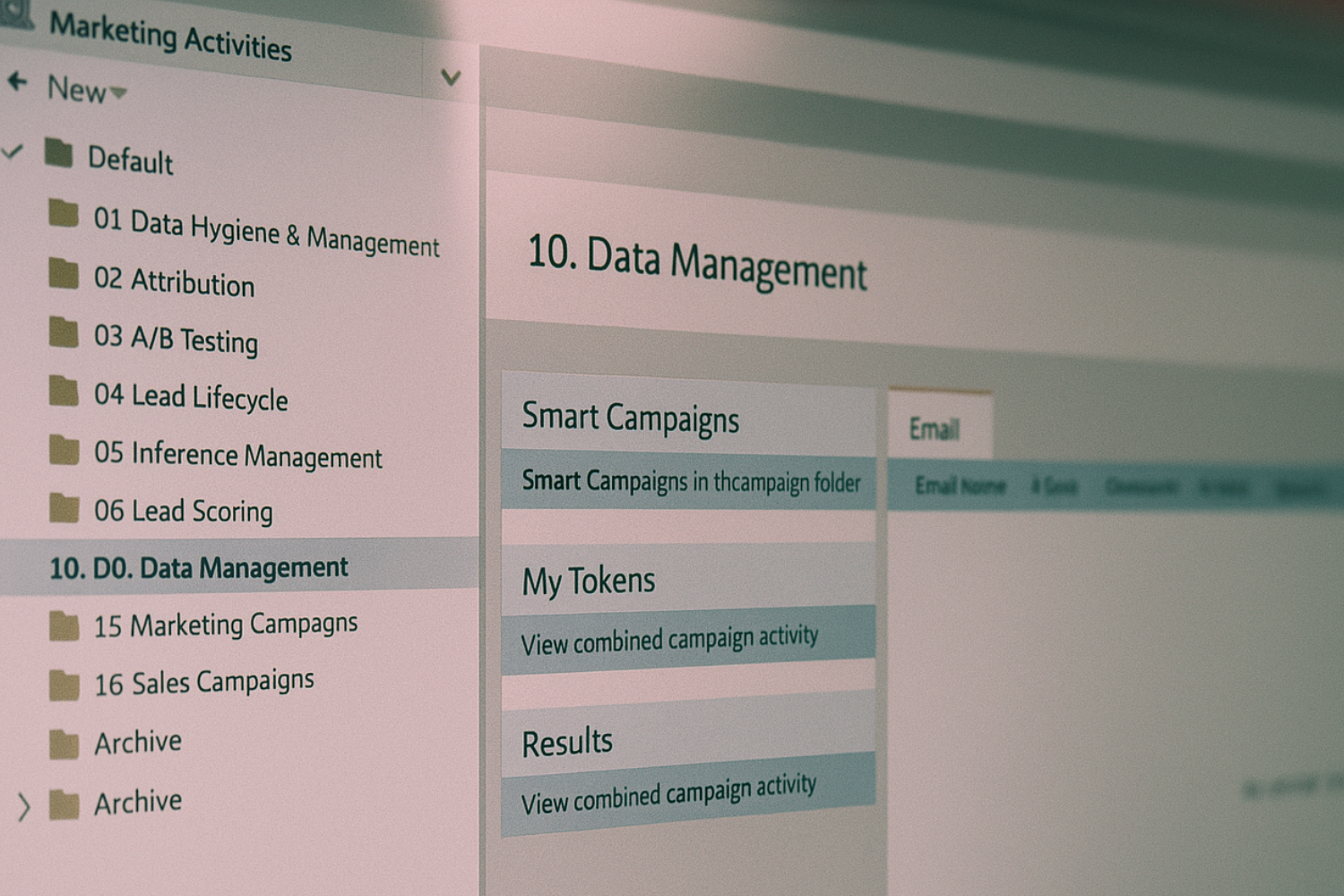

As your operations expand, structured governance becomes essential. With thoughtful practices shaped through Marketo consulting services, teams can maintain clarity across integrations, keep fields standardized, and ensure every system connected to Marketo speaks the same language. This creates a cleaner, safer, and more scalable environment for long-term growth.
Keeping Marketo Clean and Compliant
A clean, well-structured Marketo environment is essential for maintaining accuracy across your automation, reporting, and customer engagement efforts. When your database is organized, validated, and ethically collected, every program whether it’s segmentation, scoring, or personalization functions with far greater precision. Strong compliance practices reinforce this foundation by ensuring all data usage aligns with evolving privacy expectations.
As operations grow, cluttered records, mismatched fields, and outdated data can silently disrupt performance. Consistent hygiene routines prevent these issues, keeping campaigns efficient and reducing the risk of automation errors. Many teams also refine their governance framework with support from Marketo consulting services, ensuring their structure can scale without compromising quality or compliance.
Together, clean data and compliant processes help your team:
- Improve audience accuracy for targeted segmentation
- Minimize workflow failures caused by inconsistent fields
- Strengthen privacy alignment across every program and integration
- Enhance reporting clarity for smarter strategic decisions
- Build a stable foundation for long-term platform growth
By prioritizing hygiene and compliance, you ensure Marketo remains dependable, scalable, and ready to support your business with confidence.
Core Elements of Marketo Compliance
A healthy Marketo instance starts with strong data discipline. Clean, verified information ensures your targeting, scoring, and reporting stay accurate as your database grows. These basics help prevent duplication, reduce risk, and keep automation running smoothly.
- Data Standards: Rules that control how records are created, formatted, and stored
- Consent Management: Tracking user communication permissions with accuracy
- Record Accuracy: Methods that maintain correct, non-duplicate profiles
- System Governance: Consistent structures for lifecycle stages, fields, and workflows
- Regulatory Alignment: Processes that support privacy and compliance requirements
Where to Manage Data Hygiene in Marketo
Marketo includes several built-in spaces that directly influence system cleanliness and compliance. Understanding how each area functions gives teams better control over audience quality and operational integrity.
- Admin Controls: Manage system access, security policies, API usage, and audit trails
- Field Management: Define naming logic, picklists, and standard values for clean reporting
- Smart Lists & Filters: Exclude invalid, restricted, or outdated records from campaigns
- Segment Accuracy: Build reliable segments using clean, validated data
- Monitoring Tools: Logs and reports that help identify issues early and keep workflows stable


What Strengthens Data Hygiene
Keeping your Marketo instance clean starts with maintaining accurate, consistent, and well-structured data. When records are validated, fields stay updated, and permissions are properly managed, your automation becomes more reliable and your reporting becomes far more trustworthy. Strong data hygiene also reduces compliance risks, ensuring every customer record aligns with privacy expectations and regulatory requirements.
Even small improvements like standardizing data inputs, removing duplicates, and defining clear governance rules can create a meaningful lift in performance across campaigns, segmentation, and lead scoring. Clean, compliant data doesn’t just protect your business; it accelerates every part of your marketing operations.
18%
Fewer sync issues across integrated systems
2x
Stronger segmentation accuracy
92%
Improved deliverability after routine data clean-ups
Are You Confident in Your Marketo Compliance & Data Hygiene Setup?
Keeping Marketo clean and compliant becomes more challenging as data volume, teams, and integrations grow. If you’re unsure whether your instance is structured correctly or meeting required standards, the FAQs below break down the most common questions teams face while managing compliance workflows and maintaining strong data hygiene. With the right practices and support from experienced Marketo consulting services your database can stay accurate, secure, and ready for reliable automation.
1.
What does compliance mean inside Marketo?
Compliance in Marketo refers to how your data, permissions, and communication preferences align with privacy regulations and internal governance rules. It ensures your marketing activities operate within approved standards.
2.
Why is data hygiene essential for Marketo performance?
Strong data hygiene keeps automations accurate by reducing duplicates, correcting invalid values, and ensuring records remain updated. Clean data directly improves segmentation, scoring, and reporting clarity.
3.
How can poor data hygiene create compliance risks?
When records contain outdated or incorrect information, emails may reach the wrong contacts or permissions may be misinterpreted. This increases compliance exposure and lowers trust in your system’s accuracy.
4.
Can Marketo stay compliant across integrated systems?
Yes. When field structures and permission policies are aligned across platforms like your CRM, Marketo can maintain consistent compliance. Many teams refine this alignment through expert Marketo consulting services to ensure governance stays intact as systems expand.
5.
What role does user access play in compliance?
User access determines who can edit sensitive fields, modify workflows, or update compliance-related attributes. A well-defined permission model protects data and reduces accidental errors.
6.
How often should teams review data hygiene in Marketo?
Routine clean-ups paired with quarterly audits help prevent clutter, maintain accurate lifecycle stages, and ensure your data stays compliant. Some organizations strengthen these routines with structured guidance from Marketo consulting services when managing larger databases.
7.
Can outside experts support compliance and hygiene improvements?
Yes. External specialists can identify hidden issues, streamline governance rules, and implement long-term hygiene frameworks. Businesses often turn to Marketo consulting services when they want a stable, scalable, and compliant Marketo environment without internal workload strain.