Understanding Marketo Integrations
Marketo becomes significantly more impactful when it’s connected to the rest of your marketing and sales ecosystem. Marketo Integrations with your CRM, analytics platforms, event tools, data systems, and customer applications creating a unified environment where insights move freely and actions stay aligned. When these platforms share information, Marketo can respond faster, trigger more relevant journeys, and give teams a clear understanding of how audiences engage across touchpoints.
Instead of operating isolated tools, integrations allow data to pass between systems without interruption. Updates such as new leads, score changes, form fills, or sales activities automatically influence how Marketo processes and prioritizes engagement. This seamless flow of information transforms automation into something smarter, more adaptive, and far better suited for personalized experiences at scale.
Related Resources
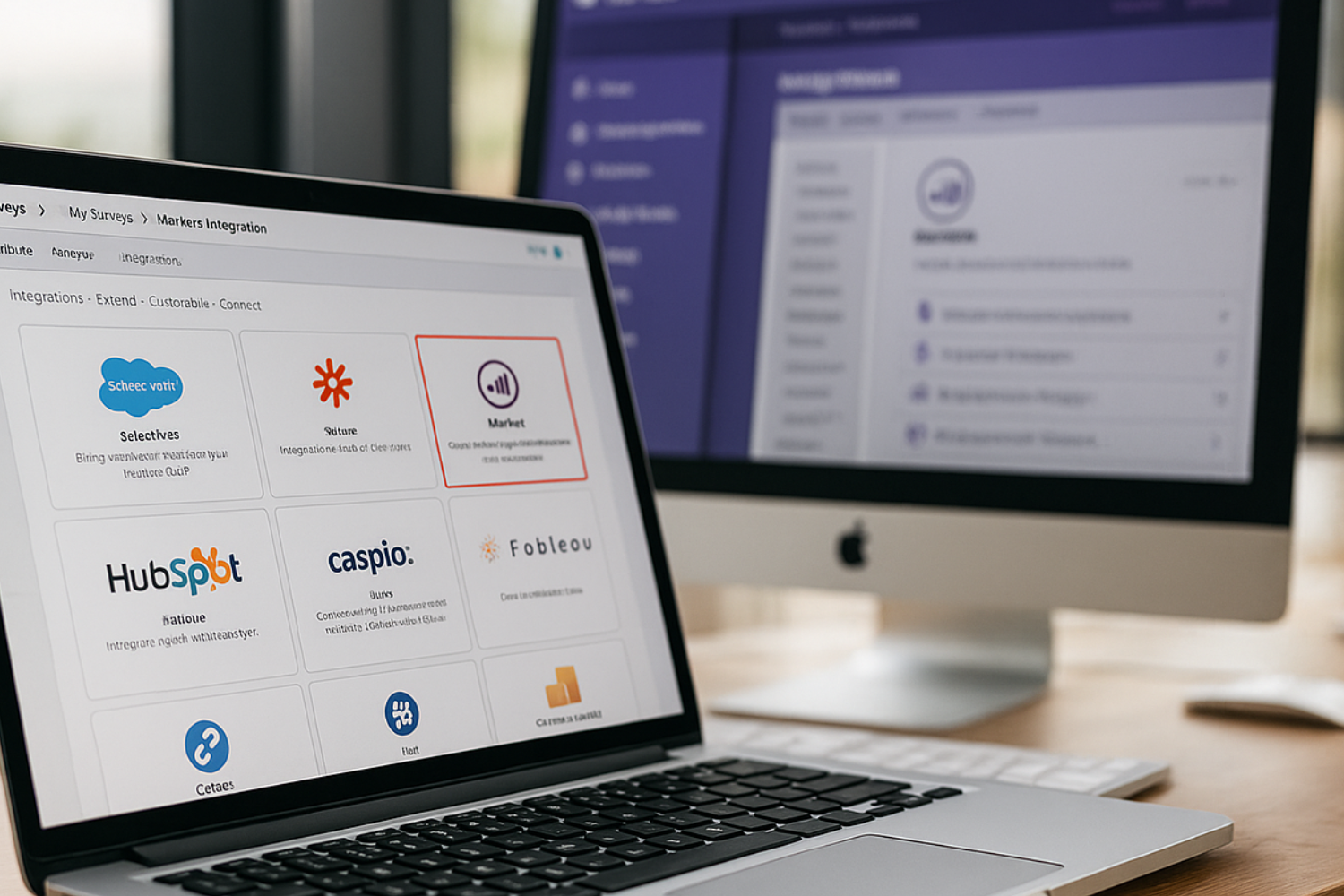

Many teams enhance this setup by aligning their integration strategy with Marketo consulting services, ensuring that data structure, sync behavior, and system mappings support long-term accuracy and operational clarity. When integrations are handled thoughtfully, Marketo becomes more reliable, more scalable, and far more valuable for daily decision-making.
Why Marketo Integrations Are Essential
Marketo becomes far more effective when it’s connected to the tools your teams rely on every day. Integrations allow information to move freely between systems: your CRM, analytics platforms, event solutions, customer databases, and revenue tools so every team works from the same source of truth. Instead of piecing together scattered data, Marketo brings these touchpoints into a single, connected workflow that supports faster decisions and more accurate targeting.
A strong integration setup also reduces friction in daily operations. Data updates happen automatically, sales insights flow into marketing, and behavioral signals from different channels come together to shape more relevant customer journeys. This alignment becomes especially valuable as organizations scale, since it keeps the entire stack organized and prevents the inefficiencies that often come with disconnected systems. Many businesses strengthen this foundation by shaping their integration strategy with Marketo consulting services, ensuring that each connected system supports long-term performance, clean data, and reliable automation.
Effective integrations help teams:
- Capture real-time behavior across channels for better segmentation
- Keep CRM and Marketo data aligned without manual cleanup
- Improve lead routing accuracy and reduce operational delays
- Maintain a consistent customer profile across multiple systems
- Build automation that reacts instantly to customer or sales activity
With the right connections in place, Marketo shifts from being just a marketing tool to becoming a central intelligence layer in your digital ecosystem supporting growth, personalization, and operational clarity at every stage.
Integration Basics
Marketo integrations rely on a few essential principles that determine how information moves between systems. Instead of treating each tool as an isolated part of your tech stack, integrations connect them into a single workflow where data stays consistent and reliable. Knowing these basics gives you better control over how Marketo processes signals, updates records, and triggers automation across your connected platforms.
Key ideas that shape how integrations function include:
- System Connectivity Rules – Every platform connected to Marketo follows a defined communication pattern that decides when and how data is exchanged.
- Data Interpretation Logic – Marketo reads external activity and translates it into meaningful insights that can activate scoring, segmentation, or workflows.
- Record Ownership Structure – Integrations help determine which system controls final data values so information stays clean and conflict-free.
- Sync Timing Models – Some systems sync continuously, others in batches, and understanding this timing helps avoid delays in automation.
- Error Handling Behavior – When integrations fail or misalign, Marketo uses logs and system signals to help teams correct issues quickly.
Working Through Integration Controls
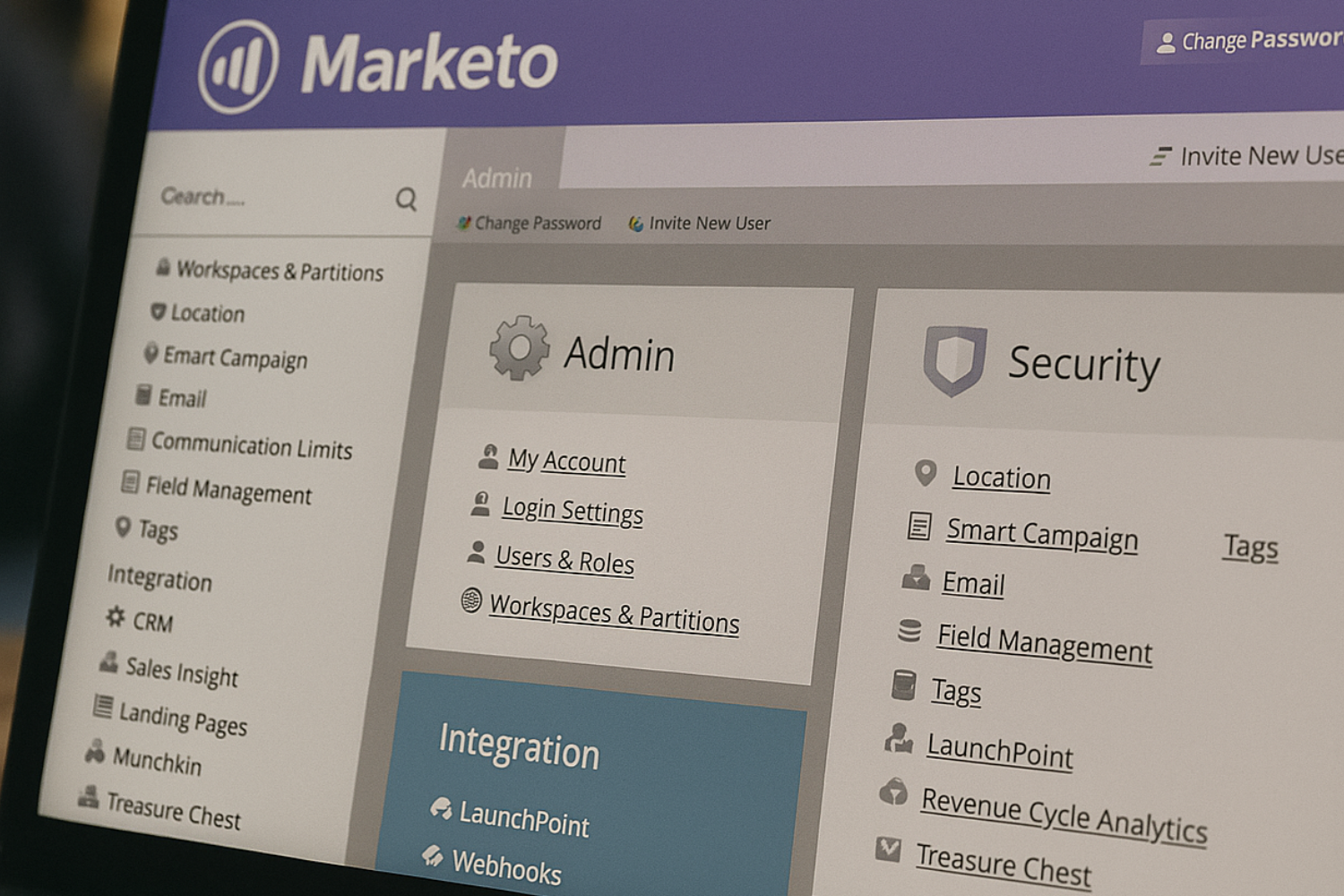
The integration settings inside Marketo give you visibility into how every connection behaves. Instead of managing tools separately, these controls let you adjust how Marketo listens to external data, pushes updates back, and maintains consistency across your stack. The goal is to keep data flowing smoothly without interruptions that affect campaigns or reporting.
Core areas you will interact with include:
- Connection Status Panels – Show whether linked platforms are syncing correctly or facing delays.
- Field & Attribute Alignment – Lets you define how fields correspond across systems so updates stay accurate.
- Activity Intake Filters – Decide which engagement signals from external tools should enter Marketo.
- Sync Safeguards – Prevent unwanted changes, duplicate creation, or overwriting of critical fields.
- Configuration Diagnostics – Provide insights into integration performance, helping teams resolve issues before they impact automation.

What Drives Strong Integrations
Integrations in Marketo work best when the systems around it communicate with clarity and consistency. Instead of relying on isolated updates from different tools, strong integrations allow information to move in organized patterns making it easier for Marketo to understand customer behavior and respond with precision. When your surrounding platforms produce reliable signals, Marketo can automate decisions with far more accuracy.
A powerful integration setup is also shaped by how well your tech stack shares context. When CRM updates include meaningful details, when event tools pass engagement depth, and when product systems supply usage milestones, Marketo gains the awareness it needs to build relevant customer journeys. This steady flow of context helps eliminate guesswork, reduces delays in campaign reactions, and strengthens the connection between marketing and revenue efforts.
14%
Higher automation accuracy when connected systems pass structured data
2.2x
Better segmentation performance with consistent cross-platform context
87%
Of teams report smoother execution when their stack communicates clearly
Are Your Marketo Integrations Becoming Hard to Maintain?
Marketo integrations keep your systems connected, but they can become difficult to manage as more tools and data flow into the platform. When everything syncs correctly, Marketo responds faster and automation stays reliable. Problems usually show up when fields don’t match or updates stop flowing. The FAQs below explain how to keep these connections running smoothly as your stack expands.
1.
What does a Marketo integration actually do?
A Marketo integration connects your automation platform with external systems so data can move freely between tools. This seamless link allows Marketo to react to CRM updates, event activity, and product interactions turning automation into insight-driven action.
2.
How do integrations improve the quality of marketing automation?
When systems sync correctly, Marketo gains a fuller picture of each customer’s behavior. This improves scoring, segmentation, and personalization accuracy, all benefits strengthened when teams use well-planned Marketo consulting services to guide integration structure and long-term data stability.
3.
Which systems are most commonly connected to Marketo?
Organizations typically connect their CRM, webinar tools, analytics platforms, enrichment solutions, and product databases. These integrations help Marketo use richer behavioral data and support smoother workflows across customer-facing teams.
4.
What problems can happen when integrations are poorly configured?
Broken syncs, inconsistent field values, and misaligned mappings can cause duplicate records or incorrect scoring. Many businesses resolve these issues by refining their integration blueprint with help from specialized Marketo consulting services that focus on preventing long-term data friction.
5.
How does integration affect reporting and analytics in Marketo?
Reliable data sources lead to more trustworthy reports. When integrations flow correctly, Marketo tracks engagement, pipeline influence, and performance trends far more accurately making analytics a powerful foundation for strategic decisions.
6.
Can integrations help align marketing and sales efforts?
Absolutely. When Marketo and the CRM exchange information in real time, both teams operate with shared context. Sales receives timely updates, and marketing gains visibility into follow-ups strengthening collaboration and elevating campaign effectiveness.
7.
When should companies consider support for integration strategy?
Support becomes valuable when new tools are added, data inconsistencies appear, or systems need restructuring for scale. Many teams partner with Marketo consulting services to clarify integration logic, tune data quality, and create a long-term framework that grows with the business.