Marketo Templates and Tools
Marketo templates and tools help marketing teams streamline execution and maintain consistency across campaigns. Instead of starting from scratch every time, these ready-to-use resources provide clear structures for planning, building, and validating Marketo programs.
From campaign briefs and lead scoring models to form QA checklists and reusable nurture frameworks, Marketo templates and tools are designed to reduce manual effort and common setup errors. They make it easier for teams to follow best practices, especially when multiple users are working in the same Marketo instance.
Related Resources


As Marketo usage grows, having standardized templates becomes essential for speed, accuracy, and scalability. Many teams use these tools alongside Marketo consulting services to ensure their processes stay aligned with platform best practices and evolving business needs.
By using the right Marketo templates and tools, teams can launch campaigns faster, improve data quality, and manage Marketo more efficiently without adding unnecessary complexity.
Applying Marketo Templates and Tools at Scale
After templates and tools are introduced, the next step is applying them consistently as part of everyday Marketo work. This is where teams start seeing real efficiency gains not from building new assets, but from reusing proven structures across campaigns.
In practice, templates guide how campaigns are planned and reviewed, while tools act as safeguards during execution. They help teams avoid common mistakes, reduce back-and-forth during builds, and keep campaign logic aligned even as timelines get tighter. When used correctly, these resources become part of the execution rhythm rather than additional documentation.
As more campaigns are launched and more users work in the same Marketo instance, consistency becomes harder to maintain. Many organizations address this by refining how templates are used internally or by working with Marketo consulting services , to assess whether their execution frameworks are supporting growth or creating bottlenecks.
What Teams Gain from Using Templates and Tools Consistently
- Execution Standards – Templates provide a shared way of working
- Knowledge Independence – Execution does not rely on specific team members
- Data Accuracy – Standard checks maintain cleaner lead and campaign data
- Campaign Speed – Reusable frameworks reduce build time
- Operational Scale – Consistent usage supports growth across teams and regions
When templates and tools are used as part of daily execution, Marketo becomes easier to manage and more predictable over time. This foundation allows teams to scale confidently while keeping automation, data, and reporting under control.
Execution Structure
Marketo templates play a key role in bringing order to campaign execution. When teams move away from one-off, ad-hoc builds and instead rely on predefined formats, campaigns become easier to plan, review, and maintain over time. Templates create a shared execution baseline, so campaigns follow the same standards even when built by different users or teams.
- Clear planning inputs - Templates prompt teams to define objectives, target audiences, channels, and success criteria before any build starts. This upfront clarity reduces confusion during execution and prevents last-minute changes that often impact automation or reporting.
- Consistent build patterns - Using the same structural approach across campaigns makes execution predictable. It becomes easier to review campaigns, troubleshoot issues, and understand how programs are set up, even months after launch.
- Reduced setup errors - Reusable templates help eliminate common mistakes such as missing flow steps, incorrect program settings, or inconsistent naming. By following a proven structure, teams reduce the risk of configuration gaps.
- Time saved through reuse - Instead of rebuilding campaign frameworks from scratch, teams can focus on refining messaging, targeting, and optimization. This significantly shortens build time, especially as campaign volume increases.
- Better collaboration - Shared templates establish a common way of working across teams and regions. This makes collaboration
Execution Control
While templates define how campaigns are built, Marketo tools ensure they are executed correctly. These tools focus on validation, logic consistency, and data accuracy before and after campaigns go live.
- Pre-launch validation - QA tools are used to review forms, data capture, and automation logic before activation. This helps catch issues early and prevents errors from affecting live campaigns or lead data.
- Clear decision frameworks - Scoring references and execution guidelines provide clarity on how qualification logic should be applied. This ensures decisions remain consistent across campaigns instead of varying by individual judgment.
- Safe logic reuse - Tools support the controlled reuse of automation and nurture logic. This allows teams to scale campaigns without duplicating or breaking existing workflows.
- Improved data reliability - Structured checks help maintain clean data by reducing issues that can impact reporting, lead routing, and downstream integrations.
- Scalable governance - As Marketo usage grows, maintaining control becomes more challenging. Many teams refine these tools internally or work with Marketo Consulting Services to review workflows, clean up logic, and ensure execution standards scale without slowing teams down.
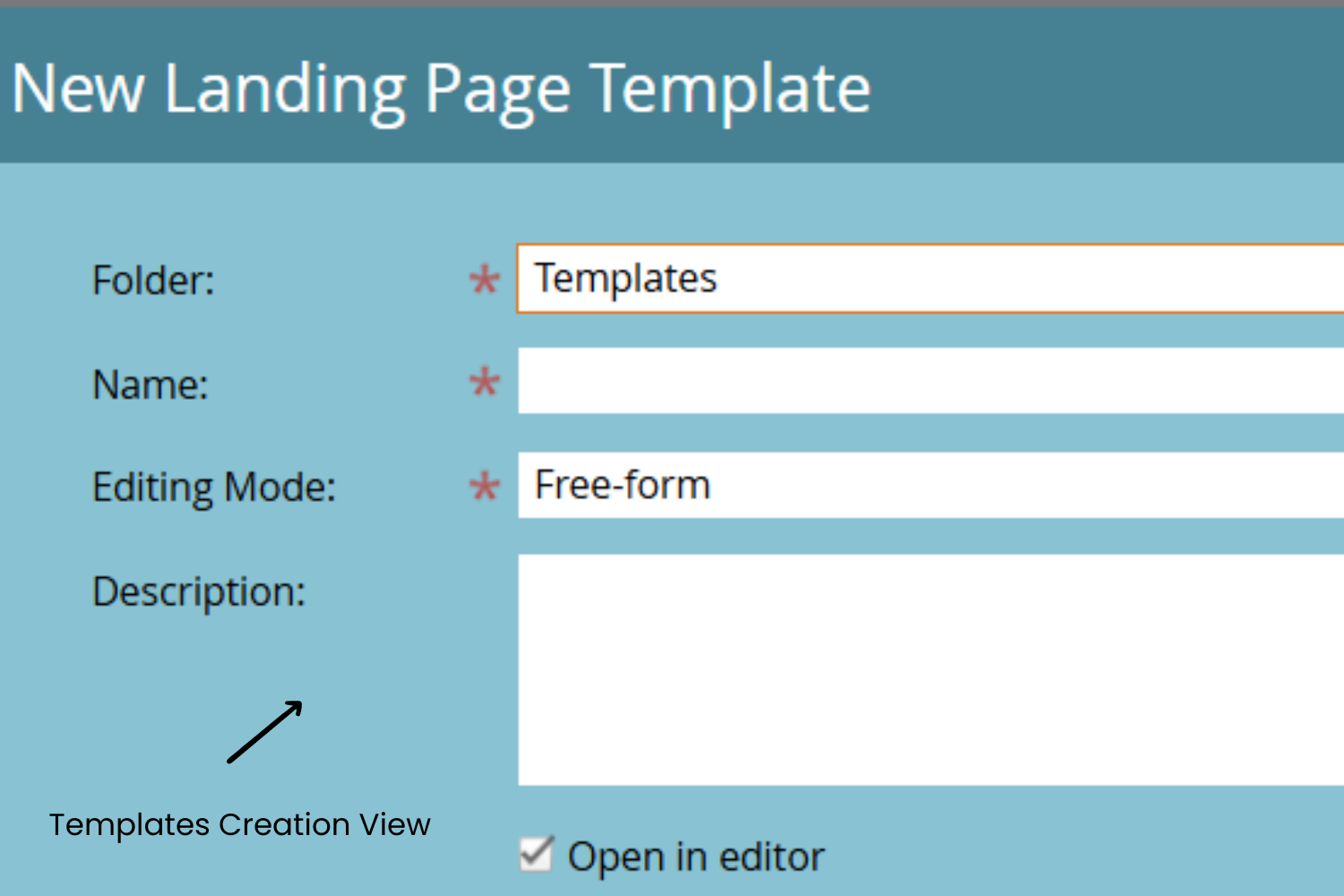

Using Marketo Templates and Tools
Marketo templates and tools are meant to simplify how campaigns are created, reviewed, and repeated. Their real value appears when teams start using them as part of regular campaign work planning campaigns the same way each time, applying proven structures, and validating setups before launch.
When templates are actively used, teams avoid rebuilding the same logic for every campaign. Tools such as checklists and scoring references help teams confirm that campaigns are set up correctly before they go live. This reduces last-minute fixes and makes campaign execution more predictable.
As more campaigns are launched, these templates and tools help maintain order. Many teams refine how they use them internally or with support from Marketo consulting services , especially when campaign volume increases and execution becomes harder to manage manually.
What using Marketo templates and tools improves improves:
12%
Less rework during campaign setup through standard formats
3x
Better team productivity when reusable templates are applied
87%
Stronger data quality by using structured QA tools
Are Your Marketo Templates and Tools Working Effectively?
Teams often reach a point where they know Marketo well, but daily execution still feels heavy. Templates and tools are usually the first step to improve how campaigns are handled. The questions below answer what most teams ask when they want to work faster and keep Marketo organized as operations grow.
1.
How do Marketo templates help in planning real campaigns?
Templates give marketers a ready format to capture campaign details in advance. With goals, audience rules, and asset needs defined early, the actual build process becomes quicker and more organized.
2.
Why is a lead scoring matrix important for Marketo execution?
A scoring matrix explains how to assign value to lead behaviors and profile data. It helps teams follow the same qualification logic across campaigns and improves clarity between marketing and sales teams.
3.
How does a QA checklist improve form execution?
QA checklists help teams test forms before launch. They ensure fields collect correct data, integrations work properly, and user experience is smooth, preventing problems after go-live.
4.
What is the advantage of reusable nurture templates?
Reusable nurtures allow marketers to repeat proven engagement flows. They reduce repeated build effort and make it easier to maintain consistent messaging and timing across different campaigns.
5.
How does a global setup guide help distributed teams?
Global setup guides define standard program structures and naming conventions. They help teams across regions follow the same execution approach, which keeps reporting clean and onboarding simple.
6.
Why is it better to use templates instead of rebuilding logic?
Rebuilding similar workflows for every campaign increases errors and wastes time. Templates help teams reuse reliable structures so execution stays consistent and manageable.
7.
How can teams improve long-term execution efficiency in Marketo?
Long-term efficiency comes from using standardized templates and tools as part of daily operations. Many organizations refine this approach through expert support such as Marketo Consulting Services.